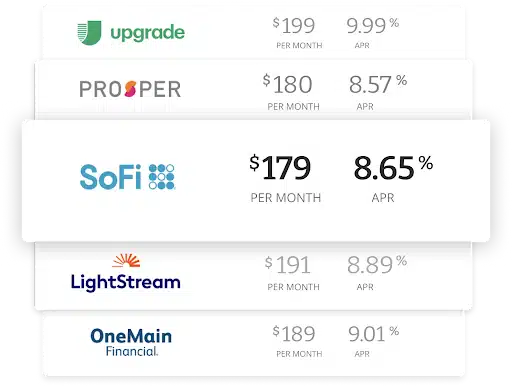
Up to $100,000 is the ceiling for many lenders when providing a lump sum to homeowners looking to overhaul their living space, a figure that sounds substantial until you realize how quickly a custom kitchen remodel or a new roof can swallow that amount whole.
Homeowners in the Lone Star State often find themselves at a crossroads between their desire for a modern aesthetic and the cold reality of their bank statements. Renovating a property is rarely a linear process of picking out paint swatches and tiling; it is a high-stakes game of financing.
Whether it is an unplanned repair to an aging HVAC system or a long-planned expansion to accommodate a growing family, the method of funding determines the long-term health of one’s finances. Texas residents have several paths to take, and choosing the wrong one can lead to a slow bleed of monthly cash flow.
The Mechanics of the Installment Loan
Most people approach home improvement thinking in terms of credit cards, which is a mistake of massive proportions. A typical home improvement loan in Texas is essentially a personal loan, also known as an installment loan, meaning you repay the principal and interest in fixed, equal monthly installments over a set period.
This predictability is the primary draw for those who prefer knowing exactly what their outgoing cash flow will look like every single month. There are no surprises, no fluctuating interest rates that spike when the economy wobbles, and no interest-only periods that leave you wondering when you will actually start paying off the debt itself.
If you are looking into these options, you might encounter home improvement loans in Texas that act as straightforward personal loans. These are ideal for those who do not want to touch the equity in their actual roof or foundation to pay for the work being done to them.
Because these loans are unsecured in many cases, the lender is taking a risk by not having a lien on your property. Consequently, the interest rates might be higher than a mortgage, but you gain the speed and simplicity of a quick approval process. You get the cash, you do the work, and you pay it back in steady, predictable increments.
The timeline for repayment can vary wildly. Most lenders will spread the debt over a period ranging from two to 12 years. A longer term means a smaller monthly payment, but it also means you will end up paying significantly more in total interest over the life of the loan. It is a classic trade-off of immediate comfort against long-term cost.
Collateral, Risk, and the Two-Sided Coin of Equity
Not all loans are created equal, and the decision of whether or not to use your home as collateral is perhaps the most significant pivot point in the entire financing process. Some lenders offer a “clean” path where your house is never at risk, while others require you to put your property on the line to secure a better rate.
Frost Bank offers two distinct paths for Texans: one that uses your home as collateral and one that does not. This choice fundamentally changes the math of your renovation. If you go the secured route, you are likely looking at lower interest rates and higher borrowing limits, but you are also gambling your equity to fund your lifestyle changes.
The unsecured option provides a safety net for your property. If life takes a turn for the worse and you cannot meet your obligations, a personal loan lender cannot simply foreclose on your house. However, that peace of mind comes with a higher price tag in the form of interest rates. It is a choice between the security of your asset and the cost of your debt.
Consider the following comparison of the two main structures available to Texas homeowners:
| Feature | Secured Loan (Collateralized) | Unsecured Loan (Personal) |
|---|---|---|
| Interest Rates | Generally lower | Generally higher |
| Risk Level | High (Home is at risk) | Lower (No property lien) |
| Approval Speed | Slower (Appraisal required) | Faster (Credit-based) |
| Borrowing Limits | Higher (Based on equity) | Lower (Based on income) |
Is it worth risking your primary residence to build a better deck? That depends entirely on your tolerance for volatility and the specific purpose of the funds. If the renovation is purely cosmetic, like painting or new flooring, the unsecured route is often the more prudent choice for a cautious homeowner.
The Green Incentive and the Sustainability Shift
There is a growing trend in the Texas market toward “green” upgrades. Homeowners are no longer just looking for a new color for their kitchen cabinets; they are looking at solar panels, high-efficiency insulation, and smart home systems that can withstand the brutal Texas heat. These upgrades are often seen as investments in the home’s future value and efficiency.
Banks like Wells Fargo are increasingly focusing on these specific needs, offering loans that help people plan for green energy projects. The logic is sound: if you spend money now to make your home more sustainable, you might save enough on your monthly utility bills to offset the cost of the loan itself over time.
This is a more sophisticated way to use debt. Instead of borrowing to increase the aesthetic appeal of a house, you are borrowing to decrease the operational cost of that house. It is an attempt to make home improvement a self-funding mechanism, though the math only works if the energy savings actually materialize as promised by the contractor.
If you are navigating these options, it is wise to check for specific programs or lenders that understand the nuances of eco-friendly construction. You don’t want to be stuck with a high-interest personal loan for a solar array that was supposed to pay for itself in five years but ends up taking twelve.
Credit Scores and the Hidden Cost of Convenience
Credit scores are the gatekeepers of the entire financing ecosystem. If your score is stellar, you have the luxury of choice, but if it is merely “good,” you may find yourself locked into suboptimal terms that make your renovation much more expensive than the contractor’s quote suggested.
For those with excellent credit, certain lenders offer specific perks. For instance, LightStream offers an AutoPay discount that can shave 0.50% off your interest rate, provided you set up automatic payments before the loan is even funded. This small adjustment can save a homeowner thousands of dollars over the duration of a multi-year loan.
However, the convenience of these high-speed, high-credit loans comes with a catch. You need a strong credit history to even get through the door. If you are looking to borrow for a renovation but your credit is currently in a state of disrepair, you might find yourself looking at much more expensive options like FHA 203(k) loans or credit union products.
Consider these factors when evaluating your readiness to borrow:
- Credit Score Tier: The difference between “Fair” and “Excellent” can be the difference between a viable project and a financial disaster.
- Debt-to-Income Ratio: Lenders will look at how much of your monthly income is already spoken for by car loans, student debt, or mortgages.
- Loan Term Length: Shorter terms save money on interest but require a much higher monthly commitment.
- Total Loan Amount: Ensure the amount you are borrowing aligns with the projected increase in your home’s value.
Many homeowners forget to account for the “hidden” costs of borrowing, such as origination fees or the costs of getting a professional appraisal for a secured loan. These are the quiet killers of a renovation budget that often lead to people having to borrow even more than they originally intended.
Navigating the Texas Regulatory Maze
Texas isn’t exactly known for having the most consumer-friendly regulations for certain types of lending, particularly when you start moving into the realm of HELOCs (Home Equity Lines of Credit). Texas has specific rules regarding how much equity you can tap into, which can be a significant hurdle for those who bought their homes during a period of rapid appreciation.
Because of these state-specific protections, a person might find that their “available equity” isn’t as large as a national website suggests. You have to look at the local landscape carefully. While a national bank might offer a flashy rate, a local Texas lender might have a better understanding of the specific collateral requirements and the legal nuances of home equity in your specific county.
It is also worth looking into more specialized options like FHA 203(k) loans if you are looking at a property that needs significant structural repair or renovation. These are not standard personal loans; they are mortgage products designed to wrap the cost of repairs into the home’s purchase price or a refinance, which can be a lifeline for those with less liquid cash.
The “best” loan is a moving target. It depends on whether you are a homeowner in Austin looking to modernize a mid-century bungalow, or someone in Dallas trying to fix a foundation issue that appeared after a particularly heavy rainy season. The math changes depending on the mission.
The decisions made in the planning phase of a renovation often dictate the financial peace of mind for the next decade. There’s a useful breakdown over at texasloanstoday.com.